
Turning the Flywheel: How Purpose and Consistency Create Sustainable Momentum
In business — and in life — starting is rarely the hardest part. It’s staying the course.
We live in an era obsessed with reinvention. Every quarter brings a new initiative, a new priority, a new promise to transform. Yet for many leaders, progress still feels elusive — a burst of activity that fades almost as quickly as it begins.
Teams are working hard, but the work doesn’t compound. Energy disperses instead of accumulating into progress.
What if progress isn’t a matter of working harder — but working in a way that allows effort to compound? What if momentum isn’t something you chase… but something you design?
The Flywheel
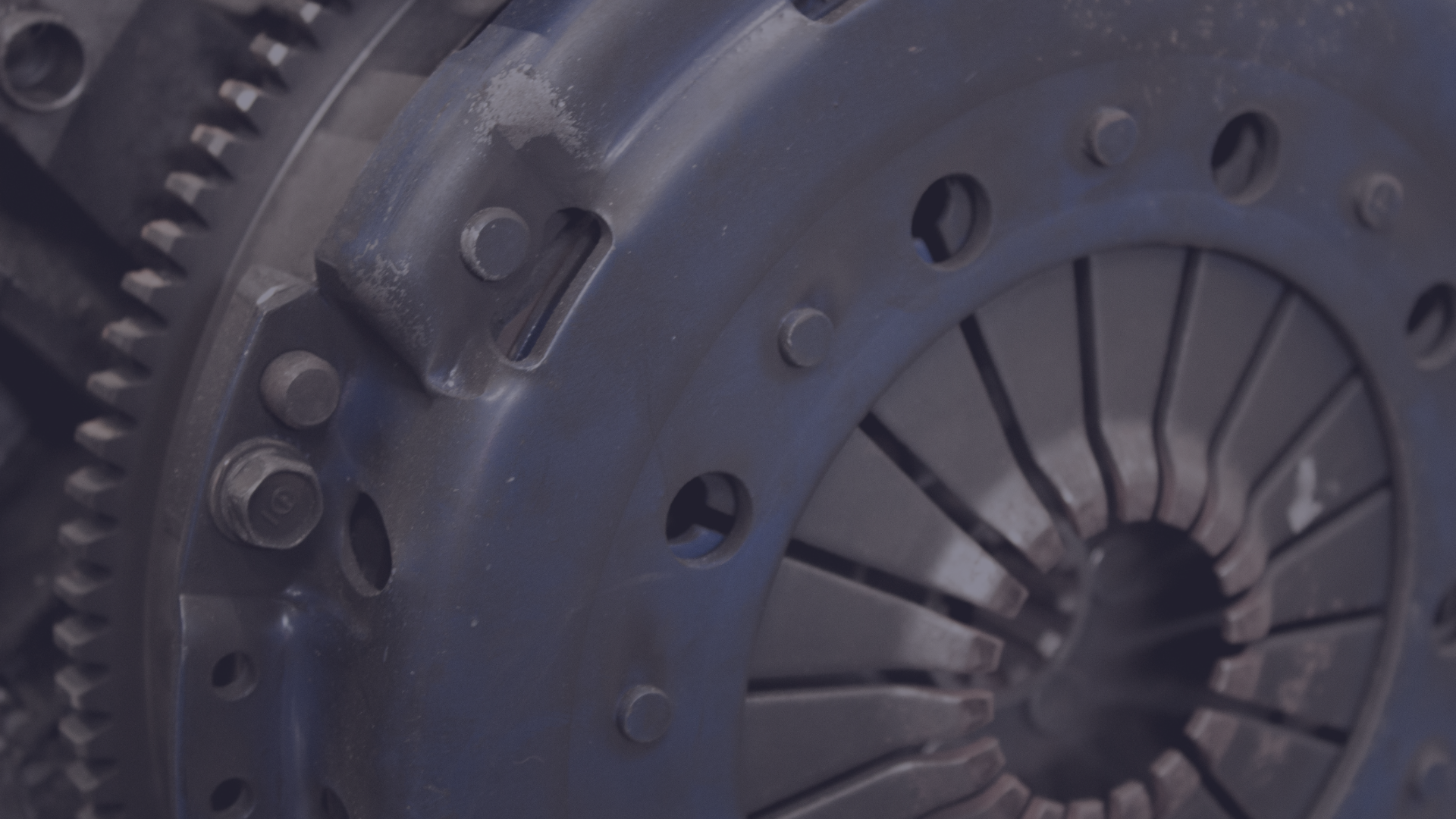
Picture a massive steel wheel — tall, heavy, and seemingly immovable. You push once. Nothing. Twice. Still nothing.
But you keep going.
Somewhere between the tenth and the hundredth push, you notice something: the wheel is beginning to turn. Slowly at first, then steadily, then powerfully. With each push, you’ve stored energy to fuel the momentum.
That’s the power behind the flywheel — the concept introduced by Jim Collins in Good to Great and later operationalized famously by Jeff Bezos at Amazon. The flywheel is not just a metaphor for momentum. It is a discipline: consistent, purpose-driven action that accumulates, accelerates, and eventually sustains itself.
Jim Collins found that the companies that transformed into market leaders did not rely on big leaps or breakthrough moments. Their greatness came from the cumulative force of small, aligned actions executed consistently over time.
Purpose at the Center
Any organization can build a flywheel — a way of working where progress reinforces itself — but it does not happen by accident. It must be intentionally designed around a core purpose.
For a hospital, that purpose may be improving patient outcomes. For a financial institution, it may be strengthening trust. For a small business owner, it may be the belief that today’s work — even the quiet, unseen work — will someday matter.
Whatever the purpose, it becomes the gravitational pull that turns effort into movement — giving every push direction and meaning.
When organizations lose sight of that purpose, momentum stalls. But when purpose is protected — when every decision, process, and person stays connected to the core mission — energy compounds.
Purpose gives your wheel direction. Consistency gives it force.
Consistency: The Quiet Force Behind Momentum
The future belongs to the consistent. Not the talented. Not the lucky. But the ones who show up — especially when it’s hard.
Consider the small business dreamer who begins with nothing more than an idea. She works in the margins — before work, after dinner, in the quiet hours when no one is watching. She builds the process, has the conversations, learns the systems, refines the approach. At first, every push feels heavy. But slowly, effort becomes momentum. And one day, the wheel begins to turn on its own.
That’s what consistency does. It transforms invisible effort into visible progress. It turns discipline into direction.
In large organizations, the same holds true. When leaders communicate clearly, reinforce priorities, and model steadiness, the flywheel gains speed. The effort begins to feel shared — and progress starts to feel possible.
The Leadership Shift
Many organizations operate in cycles of urgency and reset — where new initiatives are launched before previous ones have had the chance to take root. Teams shift their focus, priorities compete, and the wheel never gains enough force to move on its own.
But strong leaders protect rhythm. They create clarity in the noise. They reinforce priorities with calm steadiness. And they honor the time it takes for momentum to build.
The strongest flywheels share four truths:
Purpose: Define what the wheel is turning toward.
Structure: Align work so each action reinforces the next.
Consistency: Keep pushing steadily and measure cumulative effect.
Sustainability: Protect what's working long enough for momentum to accelerate.
It’s not glamorous work. But it’s the work that turns motion into mastery.
Momentum by Design
Momentum is never accidental. It is shaped in the decisions we make every day — what we reinforce, what we protect, and what we choose to stay with long enough to matter.
Every leader has moments when it would be easier to shift focus, change direction, or move on to the next priority. But momentum comes from honoring the work already in motion — and allowing it the time and clarity to take hold.
So, ask yourself: Where is the wheel already turning — and what would happen if you chose to keep pushing?